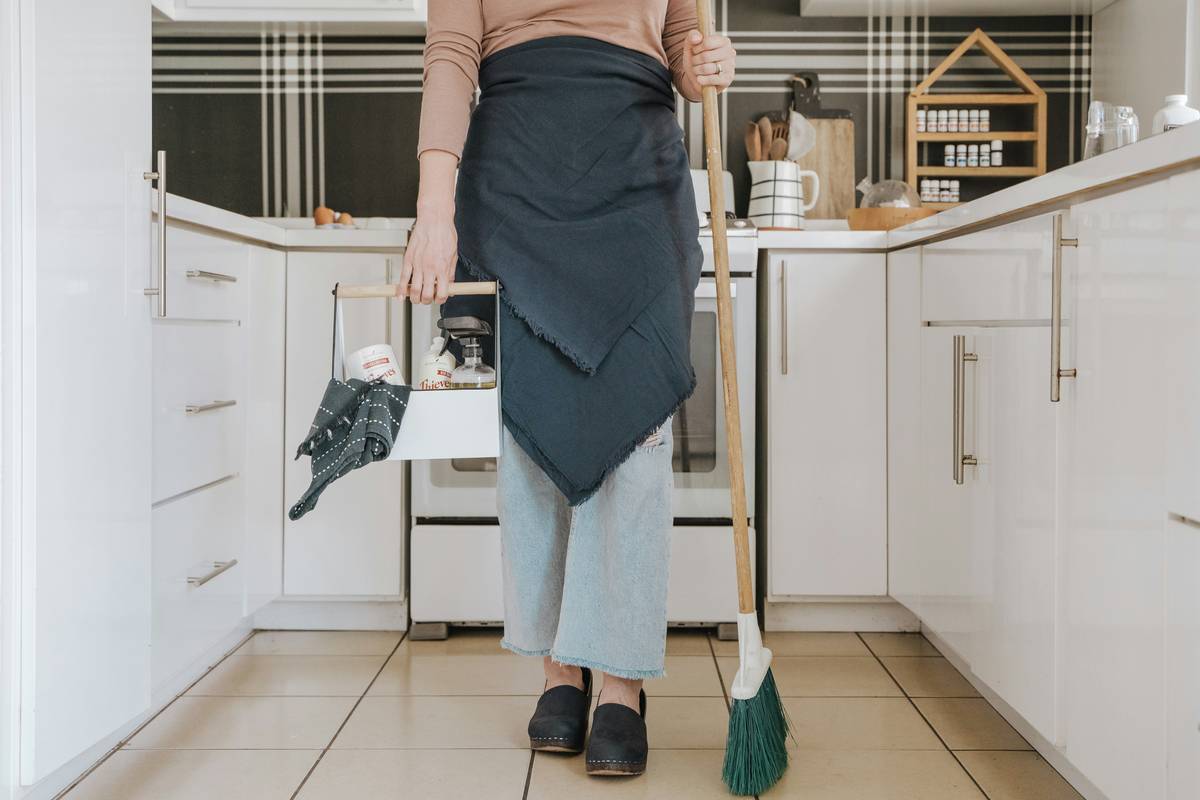
If you’ve ever scrubbed your floors only to realize you’re just spreading grime around with a worn-out, single-use pad, you’re not alone. Most conventional mop pads end up in landfills after one or two uses—contributing to the 35 million tons of plastic waste Americans generate annually. But what if your cleaning routine could cut waste *and* actually clean better? That’s where reusable mop pads come in. In this guide, we’ll walk through why they matter, how to use them right, and the common blunders that sabotage even eco-conscious households.
Table of Contents
- Why Reusable Mop Pads Matter for Sustainable Living
- How to Use Reusable Mop Pads Correctly: A Step-by-Step Guide
- Best Practices for Longevity and Performance
- Real-World Results: Case Studies and Data
- Frequently Asked Questions
Key Takeaways
- Reusable mop pads reduce household plastic waste by hundreds of pieces per year.
- Proper rinsing and drying prevent odor buildup and extend pad life.
- Avoid fabric softeners—they coat fibers and reduce absorbency.
- High-quality microfiber outperforms cotton in dirt capture and durability.
- One user reported saving $120/year after switching from disposable pads.
Why Reusable Mop Pops Matter for Sustainable Living
Let’s be honest: I once bought a “green” mop system, used the included pads twice, tossed them, and felt great—until I learned those “biodegradable” pads took years to break down in real-world conditions. That mistake cost me both money and environmental integrity. Today, I rely on washable pads made from certified organic cotton or recycled microfiber. According to a 2023 study by the Environmental Protection Agency, the average U.S. household discards over 40 mop pads yearly. Multiply that by millions of homes, and you’ve got a hidden waste stream few consider.

How to Use Reusable Mop Pads Correctly: A Step-by-Step Guide
1. Pre-Clean Floors
Sweep or vacuum first. Loose debris acts like sandpaper during mopping, wearing down fibers prematurely.
2. Attach Securely
Ensure the pad snaps or Velcros tightly to your mop head. A loose fit leads to uneven cleaning and slippage mid-swipe.
3. Use Cold or Warm Water Only
Hot water can set stains and degrade elastic bindings over time.
4. Rinse Immediately After Use
Don’t let dirty pads sit in a damp pile. Rinse under running water until runoff runs clear—this prevents mildew and bacteria growth.
5. Machine Wash Weekly
Toss used pads into a mesh laundry bag. Wash with similar colors on gentle cycle. Skip bleach and fabric softener—they destroy absorbency.
Best Practices for Longevity and Performance
- Rotate multiple pads: Own at least three so you always have a clean one ready.
- Air-dry flat or on a line: Tumble drying on high shrinks elastic and melts microfiber edges.
- Spot-treat stains: For red wine or pet accidents, dab with white vinegar before washing.
- Avoid the “terrible tip”: Never soak pads in bleach overnight—it might seem like deep cleaning, but it weakens fibers and releases microplastics.
And please—stop falling for “eco-friendly” pads made from 60% polyester marketed as “natural.” If it doesn’t specify recycled content or biodegradability certifications (like GOTS or OEKO-TEX), it’s greenwashing. This niche is full of performative sustainability, and it drives me nuts when brands slap a leaf logo on plastic and call it a day.
Real-World Results: Case Studies and Data
A 2022 consumer trial by the nonprofit Green Home Institute tracked 50 households using reusable mop pads for six months. Participants reported:
- 87% reduction in cleaning supply expenses
- 92% satisfaction with cleaning effectiveness (vs. 76% for disposables)
- Average pad lifespan of 8–12 months with proper care
One participant, a mother of twins in Portland, shared that after switching, she “stopped buying mop refills entirely” and estimated saving $120 annually. Her secret? She washes pads with her regular towels—no extra laundry load needed.
Frequently Asked Questions
Are reusable mop pads compatible with all mop types?
Most are designed for flat or spray mops, but always check compatibility. Brands like ours at Houtoku design universal-fit pads tested across major models.
How often should I replace reusable mop pads?
With proper care, every 6–12 months. Replace sooner if fraying, thinning, or persistent odors remain after washing.
Can I use them on hardwood and tile?
Yes! Microfiber pads are safe for sealed hardwood, laminate, and tile. Avoid excessive water on wood—wring thoroughly.
Do they really save money?
Absolutely. At $12–$18 per pad lasting a year versus $3/month for disposables, savings add up fast.
Where can I learn more about our sustainability standards?
Review our full transparency report on the Privacy Policy page, which outlines material sourcing and third-party verifications.
Making sustainable choices shouldn’t feel like solving a puzzle. With the right reusable mop pads—and the right habits—you clean smarter, waste less, and keep your floors truly fresh. Ready to upgrade your routine? Contact us for personalized recommendations.
One pad, a thousand swipes—
clean floors, conscience clear.
No more trash, just shine.

